



Can-Explore provides an integrated service offering for managing culverts across Quebec’s road and rail networks, drawing on the methodologies and assessment grids of the Ministère des Transports et de la Mobilité durable.
Our engineering team handles design, inspection, structural and hydraulic assessment, construction supervision, post-construction validation, and inventorying of new culverts, all under one roof.
Who Can Inspect Culverts on Provincial Roads?
Our inspectors hold the required MTMD accreditation, qualifying them to conduct inspections for the Ministry. Our inspections deliver the official MTMD inspection form and the Culvert Condition Index (IEP). We inspect culverts ranging from 200 mm to 3 m in diameter across all material types, including concrete, corrugated steel pipe (CSP), and polyethylene (HDPE).
We also operate in more challenging environments, such as partially or fully submerged culverts (subject to accessibility and turbidity assessments), large-diameter structures in confined spaces, and culverts located within industrial railway rights-of-way.
Are your culverts located under a concession road (rang) or municipal road?
Visit our Municipal Culvert Inspection page.
Railway Culvert Inspection
Beneath a railway track, a culvert supports both the embankment and the track infrastructure. Applicable inspection requirements depend on the legislative jurisdiction governing the railway. We perform the visual inspections outlined in your management program, and our inspection reports are structured for review and validation by your railway engineer.
Federally Regulated Railways
Under Transport Canada’s Guideline for Culvert Safety Management, railway companies must develop and implement a Culvert Safety Management Program (CSMP). This program generally includes:
- A visual inspection of every in-service culvert at least once per calendar year;
- A detailed inspection at least once every five years;
- Inspections following a major natural event (such as high water or flooding) that could compromise the structural integrity of the structure.
Provincially Regulated Railways (Quebec)
Provincially regulated railways including shortline railways (chemins de fer d’intérêt local) as well as rail lines operated on industrial or mining sites, are governed in terms of safety by Quebec’s Rail Safety Act (Loi sur la sécurité du transport terrestre guidé) and its associated regulations.
How Does a Culvert Inspection Work with Can-Explore?
Depending on your needs, our mandates can include up to five steps, from initial preparation to the final engineering report:
1.Mandate Preparation
Together with your team, we establish the list of culverts to inspect based on your inventory, the MTMD inventory, your plans, and/or field reports. We then plan site access, safety measures, and optimal scheduling based on water flow conditions.
2. Selecting the Access Method
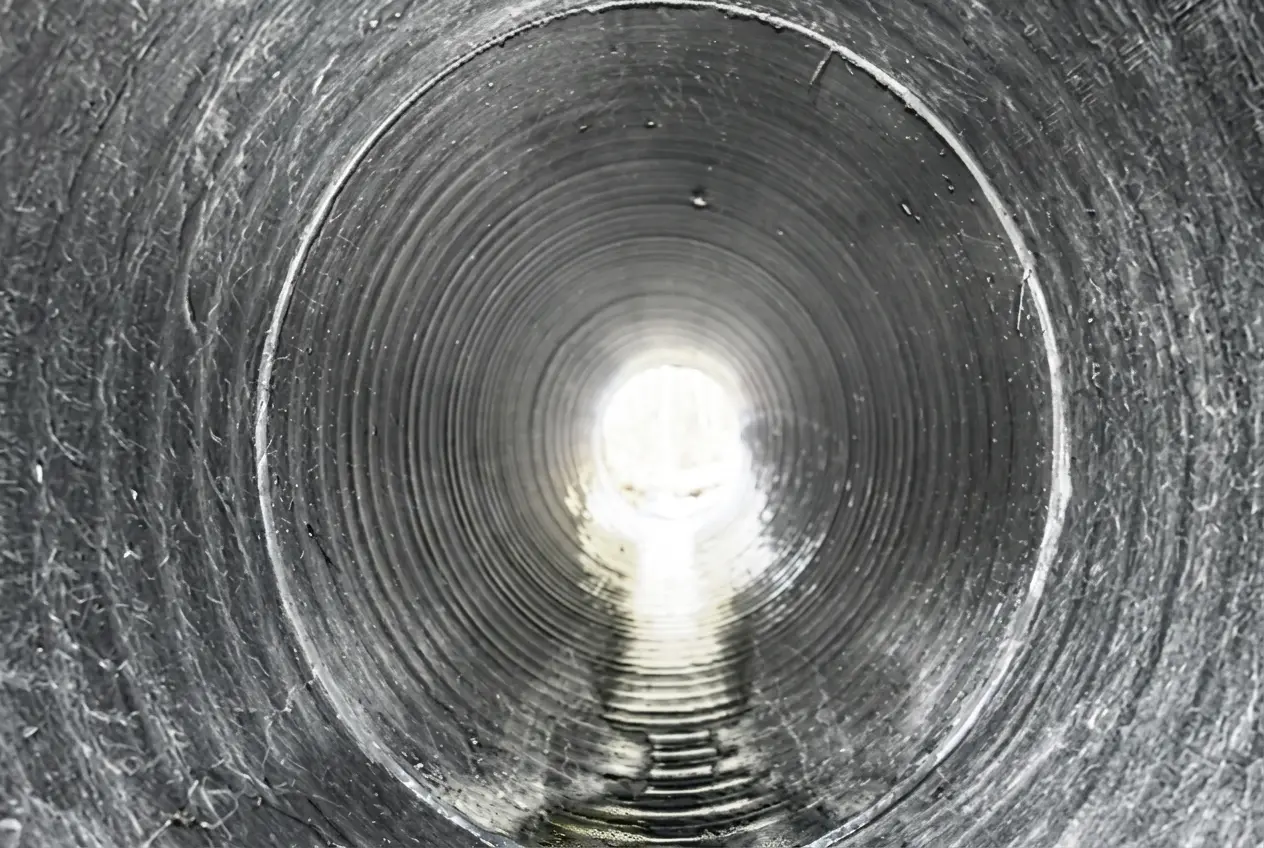
We deploy robotic crawler cameras to inspect small-diameter culverts. For larger diameters, our inspectors enter the structure whenever safety conditions permit. For partially or fully submerged culverts, we use a remotely operated underwater vehicle (ROV), subject to adequate accessibility and low turbidity.
3. Inspection and Documentation
The inspector completes the MTMD inspection form and documents the condition of the structure with photos and video, covering the interior as well as the inlet and outlet.
4. Engineering Analysis
A member of our engineering team reviews the footage, assesses the structural condition and hydraulic capacity of the culvert, and determines its Culvert Condition Index (IEP).
5. Engineering Report and Recommendations
The report details the observed condition of each culvert, its IEP, and recommendations where required (monitoring, maintenance, repair, or replacement). It also provides a priority ranking to support your asset management planning.

What Happens After the Inspection?
Following the inspection, our engineering team can seamlessly take over to design the solution, without requiring you to start over with another supplier. We assess the structure’s hydraulic capacity, design the repair, rehabilitation, or replacement solution, and prepare the engineering documents needed for the work.
Finally, we can schedule follow-up inspections to monitor changes in culvert condition over time.
Why Entrust Your Culvert Inspections to Can-Explore?
Une seule équipe couvre tout le cycle de vie de vos ponceaux, de la conception jusqu’à l’inspection post-construction:
Recognized Infrastructure Expertise in Quebec
A single team covers the entire lifecycle of your culverts, from design through post-construction inspection:
The Right Equipment for Every Structure
Our robotic crawler cameras allow us to inspect culverts under a wide range of conditions. For non-submerged, large-diameter culverts, inspections can also be performed directly by an inspector entering the structure when conditions safely allow.
Accredited Inspectors
All of our inspectors are members of the Ordre des ingénieurs du Québec (OIQ), hold MTMD accreditation, and document each structure in strict compliance with its official inspection form.
Schedule Your Culvert Inspection with Our Team Today
Send us your list of structures, or simply the sector to be covered.
A member of our team will propose an approach and send you a quote.