



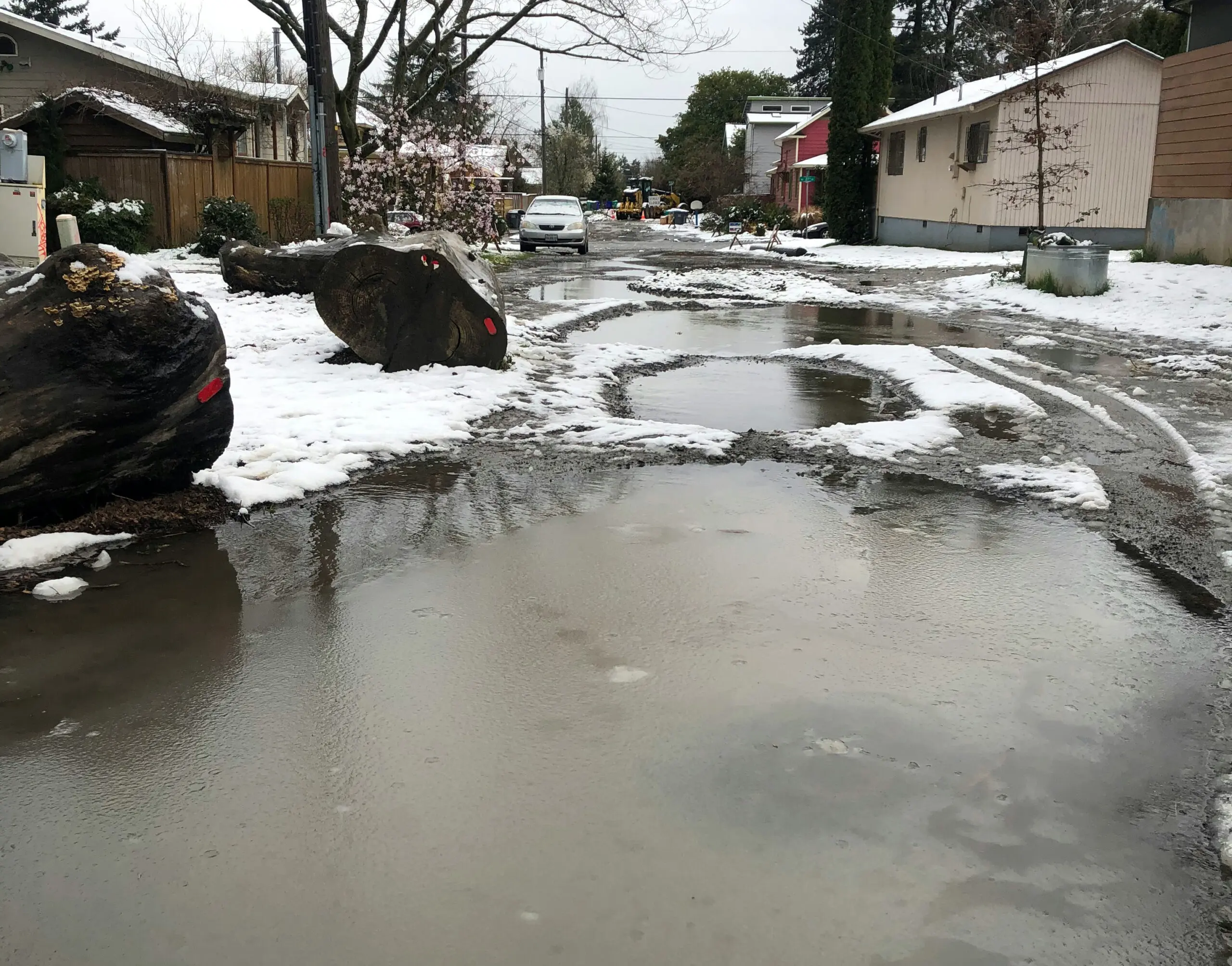
A thaw in January with rain? You might be worried about your foundation drain. Good news: it’s probably not your main concern.
Unlike spring, when massive melting raises the water table and truly overloads drainage systems, winter presents other challenges. Understanding this nuance can save you unnecessary expenses while allowing you to effectively protect your home.
Here is what really happens during a winter thaw, and most importantly, what you can do now to prepare intelligently.
Different water behavior in winter
During brief episodes of rain in winter, snow acts somewhat like a large sponge that absorbs part of the water. There is generally not enough water volume to significantly raise the water table or overload your foundation drain.
Spring is a different story: weeks of snow accumulation melt quickly, completely saturating the soil and creating pressure on all drainage systems.
But in January? Rainwater behaves differently. Water always finds the path of least resistance downward, and in winter, this path often goes through two specific vulnerable areas.
The two real winter concerns: cracks and window wells
Foundation cracks
the main entry point
During a thaw, runoff water (rain + light melting) accumulates against your foundation walls. In summer, the soil absorbs a good portion of this water. With partially frozen ground in winter, the water presses more against the foundation.
If you have cracks, even minimal ones, water will easily seep in. When the temperature drops again, this water freezes and expands the crack, gradually enlarging it. It’s a cycle that worsens with every temperature variation.
Signs of infiltration through cracks:

Localized moisture rings at the bottom of interior walls
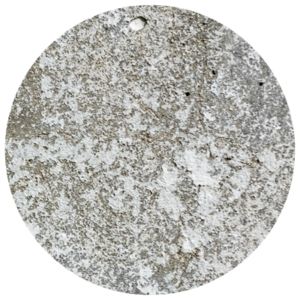
Efflorescence (white powder) on the concrete

Persistent musty or damp odor
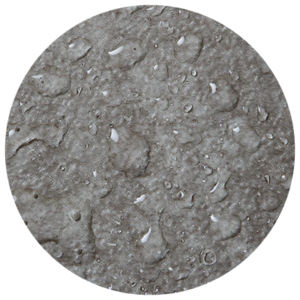
Concrete floor that appears damp near the walls
Persistent musty or damp odor
Concrete floor that appears damp near the walls
Localized moisture rings at the bottom of interior walls
Efflorescence (white powder) on the concrete
Window wells
Basement windows under pressure
Window wells are those sheet metal structures installed around your basement windows. The window well itself should not be confused with the window well drain. The window well is not used to drain water; it is simply the structure surrounding the window. The problem occurs when this structure is poorly designed or improperly installed.
When window wells become problematic:
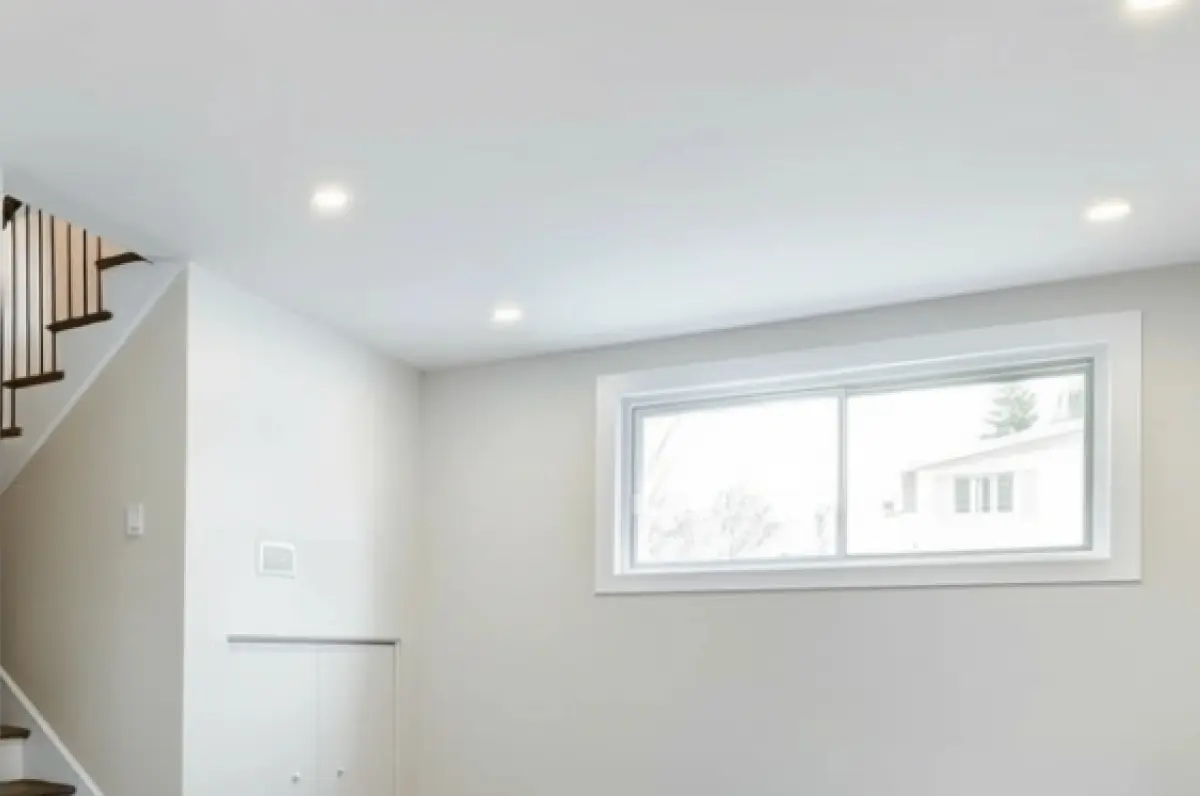
If the window well is too low relative to the surrounding ground (negative grading), or if it is poorly positioned relative to the window frame, runoff water accumulates directly against the opening. As a result, water finds its way through the window frame, passes behind your wall insulation, and ends up on your basement floor.

Signs of a window well problem:
- Visible water marks in the window frame (proof that water has managed to enter)
- Visible water at the bottom of the window well after rain, or persistent ice
- Traces of moisture around basement windows and presence of water on the floor
- Localized infiltration near a window
What should I do if I already have an infiltration problem this winter?
Manage the water (temporary pumping) to get through the winter, diagnose the problem now, and plan major work for the spring.
At Drains Secours and Can-Explore, our role is to advise you on the best solution at the best cost. Except in the case of a major disaster requiring immediate intervention, digging in the middle of winter is not ideal. It is more expensive, much more complicated, and the frozen ground greatly limits interventions.
Camera inspection and cleaning: get a head start
Even in the middle of winter, if you have access chimneys or indoor entry points, we can inspect your drainage system with a mini-camera. Better yet: we can also clean your French drain in winter! This is a service we offer and want to make accessible.
It’s the equivalent of a preventive health check-up: you know exactly where you stand, without rushing into expensive work in difficult conditions that will cause major damage to your property. And if a simple cleaning can resolve the situation, you can spend the winter with peace of mind.
Permanent solutions are installed during the warm season
Spring and summer are the ideal times to carry out excavation work and protect your property. Here are durable solutions to avoid problems next winter:
For cracks and waterproofing:
- Crack repair from the outside (excavation down to the footing)
- Application of an elastomeric membrane (Aqua-Bloc) directly onto the concrete for waterproofing
- Addition of a dimpled drainage membrane (Platon) for superior protection
For window wells (basement windows):
- Complete refurbishment of the window well and its vertical drainage through excavation (pneumatic or mechanical)
- Redirection of downspouts away from the foundations
For the foundation drain:
- High-pressure cleaning to dislodge soil, sand, iron ochre, stones, and other accumulations
- Localized repair of collapsed or broken sections
- Installation of access risers to allow for future inspection and cleaning without digging
The important thing: don’t improvise, don’t panic
Drainage and infiltration problems aren’t solved with the snap of a finger, and improvised solutions often cost more in the long run.
What we do in winter is mainly mini-camera diagnostics, French drain cleaning, and advisory support. This is what’s best for you: you get clear answers without having a hole dug in your wallet in the middle of winter.
To sleep soundly next winter
- Have your drainage system inspected this spring/summer
- Check your window wells and ensure they are well-designed
- Examine your foundations to detect cracks before they worsen
- Move downspouts away from your foundations (gutters)
Ready to get a head start?
Whether you are noticing signs of infiltration now or simply want to prepare to avoid future problems, we are here to support you.
Contact us with your questions! We will find the solution that truly fits your situation, at the right time, at the right cost!
Because a dry basement takes planning.
Discover more inspiring stories!
Don’t miss our other articles showcasing the talents and innovations at Can-Explore. Click here to dive into our article library and stay updated on our exciting initiatives!